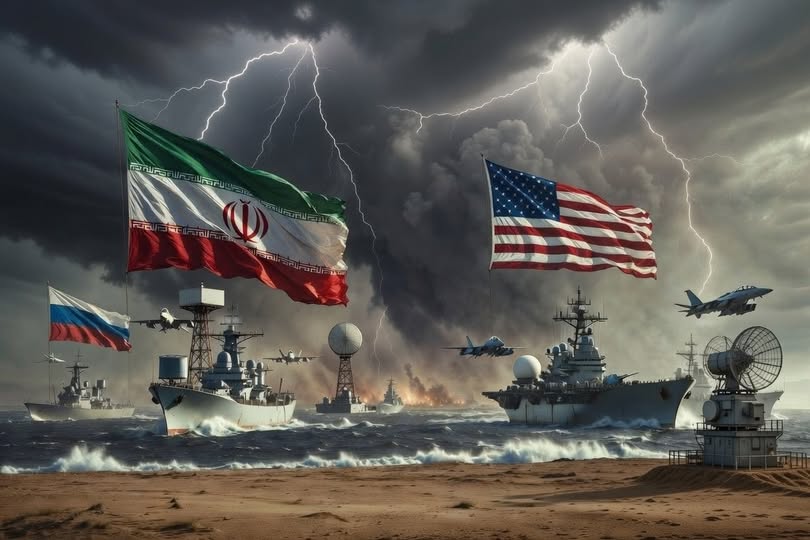

US officials: Russia is providing Iran with intelligence on the locations of US forces in the Middle East
US officials say Russia is providing Iran with intelligence on the locations of US warships and aircraft in the Middle East, helping Tehran identify and potentially strike US forces in the region.
The information reportedly includes the positions of US ships, aircraft and radar systems. US officials say this support suggests that Russia may be indirectly involved in the conflict, although Moscow has not commented on these claims and is not directly involved in the fighting.
Recent reports from international security sources suggest that highly sensitive military information may have been shared with Iran, potentially influencing the dynamics of ongoing tensions in the region. According to several U.S. officials familiar with intelligence assessments, the information reportedly included detailed data about the positions and movements of American naval ships, aircraft activity, and radar system coverage. Such information, if accurate, could provide a significant strategic advantage to any actor involved in regional military planning.
The United States closely monitors the deployment and movement of its military assets around the world, particularly in areas where tensions remain high. Data about the location of naval fleets, surveillance aircraft, and radar installations is typically classified because it can reveal operational capabilities, defensive gaps, and potential vulnerabilities. When information of this nature is believed to have been shared outside of authorized channels, it raises serious concerns among defense officials and intelligence agencies.
According to officials within the U.S. government, the sharing of this type of intelligence could indicate that Russia might be indirectly supporting Iran in a broader geopolitical context. Analysts say that providing situational awareness—such as the position of ships, aircraft patrol routes, or radar coverage zones—can help a country better anticipate military movements or prepare defensive strategies. While such support would not necessarily mean direct participation in active combat, it could still affect the balance of information in a sensitive regional environment.
The country at the center of these allegations is Russia, which has historically maintained diplomatic and military ties with Iran. Over the past decade, the two nations have cooperated in several areas, including energy projects, arms agreements, and strategic discussions related to regional conflicts. Because of this relationship, some analysts believe it is possible that intelligence sharing could occur as part of broader strategic coordination.
However, officials from Russia have not publicly commented on the latest accusations. Without official confirmation or independent verification, the claims remain part of an ongoing intelligence assessment rather than a confirmed international incident. Governments often approach such situations cautiously, as public accusations involving intelligence sharing can escalate diplomatic tensions.
Meanwhile, U.S. officials have also indicated that another major global power, China, does not appear to be providing similar assistance to Iran in this specific context. While China maintains economic and political relations with Iran—particularly in areas such as trade, infrastructure investment, and energy cooperation—American intelligence agencies currently report no clear signs that Beijing is sharing comparable military intelligence regarding U.S. deployments.
The distinction is important because global powers often influence regional conflicts in different ways. Intelligence support, military equipment, diplomatic backing, and economic cooperation are all forms of influence that can shape the course of geopolitical events without direct military engagement. Analysts say that when powerful countries provide strategic information, it can change how smaller regional actors make decisions regarding defense, deterrence, and conflict escalation.
For the United States, protecting the secrecy of its military operations remains a top priority. The U.S. military relies on a complex network of satellites, radar systems, aircraft patrols, and naval fleets to maintain situational awareness and strategic readiness around the world. If adversaries gain insight into the positioning of these systems, it can reduce the element of unpredictability that is often crucial in military planning.
Security experts emphasize that intelligence assessments like these are often based on a combination of satellite imagery, intercepted communications, and classified reports gathered by multiple agencies. Because intelligence data can be complex and sometimes incomplete, officials typically avoid making definitive public statements until the evidence has been carefully reviewed.
At the same time, geopolitical relationships continue to evolve. Countries such as Russia, China, Iran, and the United States are all major players in the global strategic landscape. Their decisions—whether diplomatic, economic, or military—often have ripple effects far beyond their borders.
Observers note that even indirect involvement by powerful nations can complicate already fragile security situations. When intelligence sharing or strategic coordination becomes part of a regional conflict environment, it can raise concerns among allies, trigger diplomatic responses, and increase the risk of misunderstandings between competing powers.
For now, officials say the situation remains under close observation. Governments and intelligence agencies will likely continue analyzing available information to determine whether the reported intelligence sharing occurred and what implications it may have for regional security. As with many sensitive geopolitical issues, the full picture may only become clear after further investigation and official statements from the countries involved.
In the coming weeks, international observers, policymakers, and defense analysts will be watching closely for additional developments. Any confirmed evidence regarding the sharing of U.S. military positioning data could influence diplomatic discussions, defense strategies, and the broader balance of power in the region. Until more details emerge, the issue remains part of an ongoing and complex global security conversation.