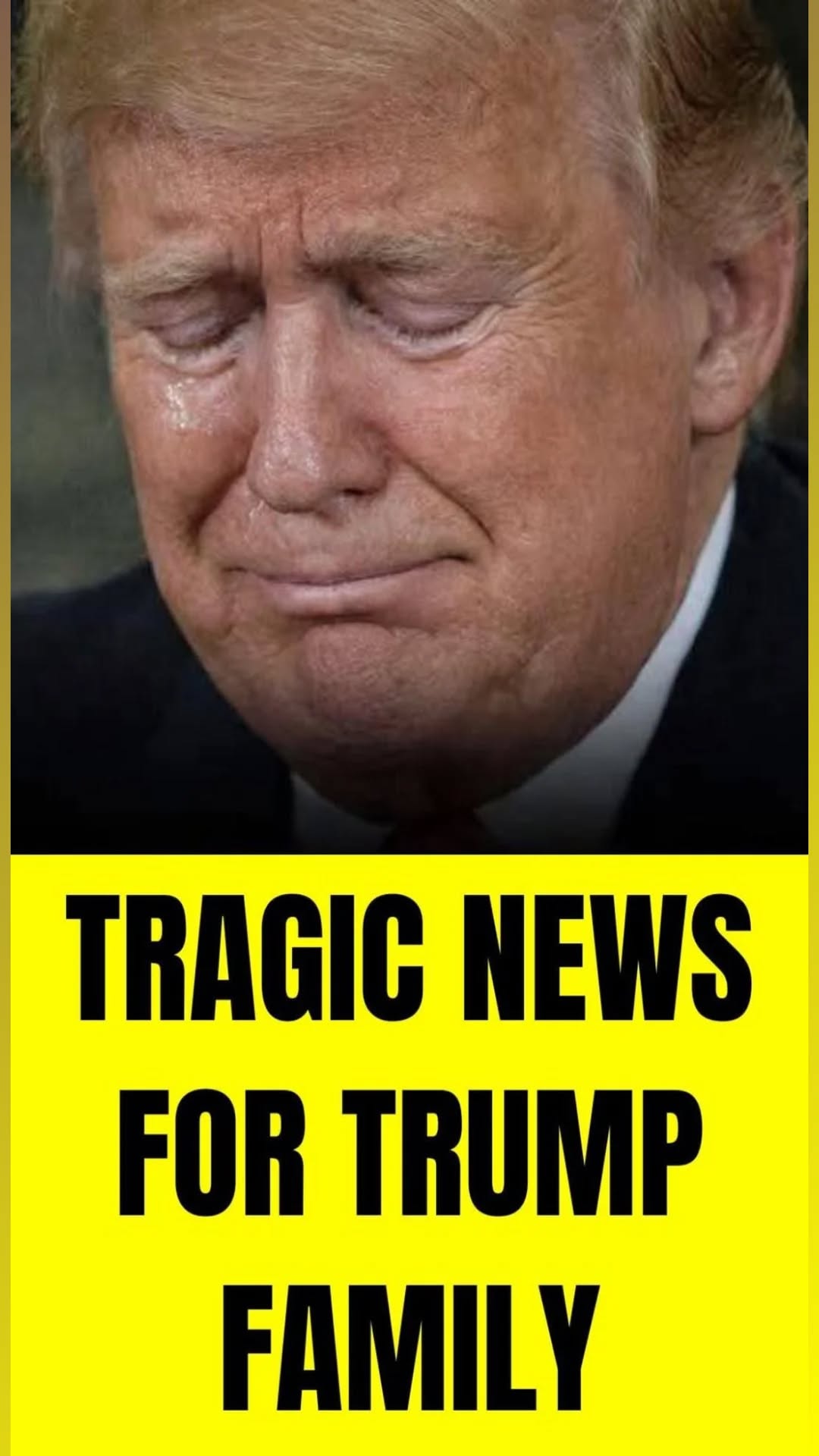

The internet did what it does best this week: took a few seconds of awkward video, added wild speculation, and turned it into a full-blown viral rumor involving Donald Trump and an extremely unflattering accusation.
If you’ve seen posts claiming the former US president “pooed himself” during a recent meeting, here’s the reality: there is absolutely no evidence that anything like that happened.
The rumor began circulating after a short clip from a January 29 press conference went viral on social media. In the footage, Trump — now 79 — is seen abruptly ending the session while signing an executive order related to addiction recovery initiatives. He gestures for reporters to leave the room sooner than expected, and the clip cuts off shortly afterward.
That was all it took.
Almost immediately, social media platforms lit up with crude jokes, exaggerated claims, and outright fabrications. Some users fixated on Trump’s facial expressions. Others pointed to reactions from people standing behind him. A few went even further, making graphic and explicit claims about what they thought had happened off-camera.
None of it was backed by facts.
As the clip spread, the speculation snowballed — a familiar pattern in the age of viral outrage. One post leads to another, jokes turn into “theories,” and before long, a rumor is being treated as if it were a confirmed incident.
But it wasn’t.
There has been no statement, report, witness account, or credible source suggesting Trump experienced any kind of embarrassing accident. No medical issue. No incident. No confirmation of any sort. Just people online filling in the blanks with their own imagination.
What actually happened appears far more mundane.
According to reports from the event, the press conference ended early simply because Trump had finished signing the executive order and moved on to his next scheduled engagement. Ending press appearances abruptly is not unusual — especially during tightly managed political events. The expressions and body language seized upon by social media users are consistent with an unscripted ending, not proof of anything else.
In other words, there’s no “there” there.
Still, the rumor highlights how quickly misinformation — or in this case, outright mockery disguised as speculation — can spread. Once a narrative becomes entertaining enough, accuracy often takes a back seat to virality.
This isn’t the first time Trump has been the subject of bizarre online rumors, and it likely won’t be the last. High-profile figures are frequent targets of exaggerated claims, especially when short, context-free clips circulate without explanation.
Experts in media literacy warn that moments like this are a textbook example of how misinformation evolves. A video is shared. Viewers project meaning onto it. Influencers amplify the most outrageous interpretation. And suddenly, a false claim feels “everywhere,” even if it’s completely unsupported.
It’s also worth noting that repeating or embellishing these rumors — even as jokes — can blur the line between satire and accusation. What starts as mockery can quickly turn into something that looks like a factual claim, especially when reposted without context.
That’s why multiple outlets moved quickly to clarify the situation: there is no truth to the rumor.
No evidence. No confirmation. No credible reporting.
Just a viral moment fueled by speculation.
The takeaway isn’t about defending Trump or criticizing him — it’s about recognizing how easily online narratives can spiral out of control. A few seconds of video, stripped of context, can become a “story” overnight if it’s shocking enough to capture attention.
So if you’ve seen the claim pop up on your feed, now you know the truth behind it.
Sometimes, a meeting ends abruptly because it’s simply over — not because the internet decided something else must have happened.