
Subtle Skin and Sensation Changes You Should Never Ignore
Our bodies often communicate with us in small but important ways. Sometimes, these signals appear as changes in the skin, new sensations, or discomfort in areas like the lower abdomen, pubic region, or inner thighs. While these changes don’t always point to something severe, they can sometimes be early warnings of conditions that benefit from prompt attention.
Understanding these signs and knowing when to seek medical advice can help protect your health and provide peace of mind. Here is a closer look at some of the most common changes, what they might mean, and why it’s important to respond appropriately.
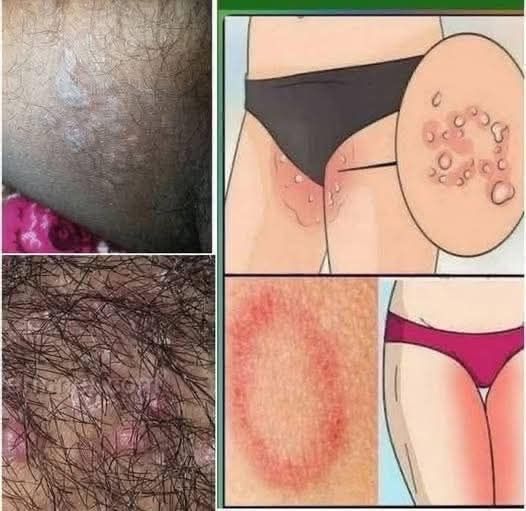
Noticing new bumps can be unsettling, but there are many reasons why they may appear. Some of the most common include:
Ingrown hairs: These are common after shaving or waxing, especially in areas with coarse hair. They may feel like small, tender bumps.
Folliculitis: This occurs when hair follicles become inflamed due to bacteria or irritation. It often looks like clusters of red or pus-filled bumps.
Skin tags or harmless growths: These small, flesh-colored lumps are generally noncancerous and often appear in areas of friction.
However, bumps that are painful, filled with fluid, or that continue to spread could indicate an infection or another health concern. If bumps do not improve within a short time, it is best to consult a healthcare professional for an accurate diagnosis.
Itching or burning in the pubic or upper thigh area can be uncomfortable and disruptive. Some possible reasons include:
Skin irritation: Harsh soaps, scented body products, or even laundry detergents can cause irritation.
Allergic reactions: Certain fabrics, skincare products, or lotions can trigger sensitivity.
Yeast or fungal infections: These thrive in warm, moist environments and often cause persistent itching or irritation.
Parasitic conditions: While less common, lice or mites can also cause burning or itching sensations.
Because these symptoms can arise from different causes, self-diagnosing can be difficult. If itching or burning continues despite simple care measures, medical evaluation is recommended.
Skin changes are another sign that should not be ignored. Common patterns include:
- Red patches: These can result from irritation, eczema, or allergic reactions.
- Darkened spots: Sometimes caused by friction or hormonal changes.
- Dry, scaly skin: Often linked to fungal infections or chronic conditions such as eczema or psoriasis.
Most rashes are mild and clear on their own, but some may persist or worsen over time. A spreading rash or one that doesn’t respond to over-the-counter care should be assessed by a healthcare professiona