
We get it. Feet aren’t exactly glamorous. They’re usually stuffed into socks, ignored after a long day, and only noticed when they start to hurt. But what if we told you your feet could be quietly exposing serious health problems long before the rest of your body catches up?
From strange nail shapes to random burning sensations, your feet can act like an early warning system. And ignoring them? That could be a huge mistake.
Here’s what your feet might be trying to tell you.
Spoon-Shaped Nails Could Mean More Than You Think
If your toenails curve upward like tiny spoons and can literally hold a drop of water, that’s not just a weird quirk. It’s called koilonychia, and it’s commonly linked to iron-deficiency anemia.
Iron helps carry oxygen through your blood. When levels drop, your body struggles — and your nails can start changing shape. If you’re also feeling constantly tired or looking unusually pale, this isn’t something to brush off. In rare cases, spoon-shaped nails can even point to heart issues or iron overload disorders.
Yellow, Thick Toenails Aren’t Always “Just Fungus”
Thick, yellow nails are often blamed on fungal infections — and sure, sometimes that’s true. But persistent nail thickening can also be linked to psoriasis, thyroid dysfunction, or immune system problems.
In some cases, yellow nail syndrome is connected to respiratory conditions or lymphatic issues. If over-the-counter treatments aren’t working, it might be time to dig deeper.
A Dark Line Under Your Nail? Don’t Ignore It
If you spot a dark streak under your toenail and you haven’t stubbed your toe recently, that’s a red flag. It could be subungual melanoma — a rare but serious form of skin cancer.
Because it hides under the nail, people often miss it until it’s progressed. Any unexplained dark line, especially one that changes in size or shape, needs medical attention. Early detection can literally save your life.
Constantly Cold Feet Could Be Circulation Trouble
Yes, sometimes it’s just the weather. But if your feet are always cold — even when everyone else feels fine — it could signal circulation problems.
Peripheral artery disease (PAD) narrows arteries and reduces blood flow to your limbs. That can leave your feet cold, numb, or even painful. Smokers, diabetics, and people over 50 are particularly at risk. Left untreated, PAD can lead to serious complications.
Red or Purple Feet Aren’t Just a Color Change
A reddish or purplish tint that won’t go away may mean your blood isn’t circulating properly. Chronic venous insufficiency can cause blood to pool in the legs and feet, leading to swelling, varicose veins, and eventually painful ulcers.
It’s not just cosmetic. Poor oxygen delivery to tissues can have long-term consequences.
Dry, Cracked Heels Might Be Hormonal
If your heels look like they’ve survived a desert trek — no matter how much lotion you use — your thyroid could be involved.
Hypothyroidism slows your metabolism and reduces sweating, which can dry out your skin. In people with diabetes, cracked skin can also be linked to nerve damage. And those cracks? They’re open doors for infection.
Tingling and Burning Is Not “Normal”
That pins-and-needles sensation isn’t something you should just live with. Peripheral neuropathy — especially common in people with diabetes — damages nerves over time, leading to numbness, tingling, and burning pain.
The scary part? You might not feel injuries properly, which increases the risk of infections and ulcers.
Burning feet can also be linked to vitamin B12 deficiency, kidney disease, or long-term alcohol misuse. If your feet feel like they’re on fire at night, your body is waving a massive red flag.
Swollen Feet Could Signal Organ Trouble
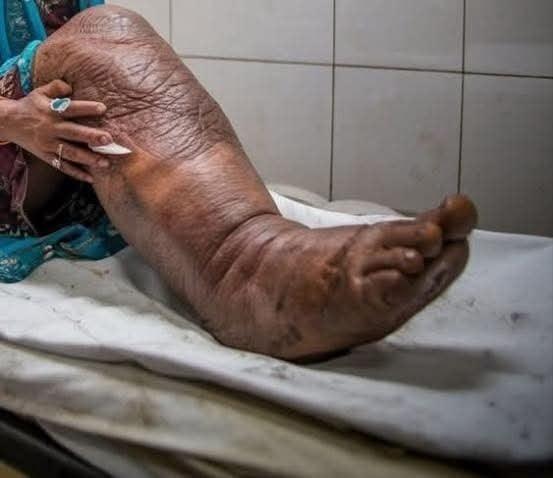
Swelling in both feet and ankles can point to heart failure, kidney disease, or liver problems. These conditions affect how your body manages fluid, causing it to build up in your lower limbs.
If swelling comes with shortness of breath or chest discomfort, that’s an emergency.
Non-Healing Sores Are a Serious Warning
Foot ulcers, especially in people with diabetes, are never minor. Poor circulation and nerve damage can stop wounds from healing properly, making infection far more likely.
Left untreated, severe cases can lead to amputation. Regular foot checks are crucial if you have diabetes or circulation issues.
Sudden Big Toe Pain? It Might Be Gout
If your big toe suddenly feels like it’s being crushed — red, swollen, and intensely painful — gout could be the culprit. It happens when uric acid crystals build up in the joint.
Diet, alcohol, and genetics all play a role. And if you ignore repeated attacks, long-term joint damage can follow.
Your feet aren’t just there to get you from A to B. They’re often the first place deeper health problems show up.
Changes in nail color. Persistent swelling. Tingling. Discoloration. Wounds that won’t heal. Sudden pain.
These aren’t random annoyances — they’re potential warning signs.
Checking your feet regularly, managing blood sugar, keeping blood pressure and cholesterol in check, wearing proper footwear, and avoiding smoking can all protect not just your feet — but your entire body.
Because sometimes, the biggest health warnings start at ground level.