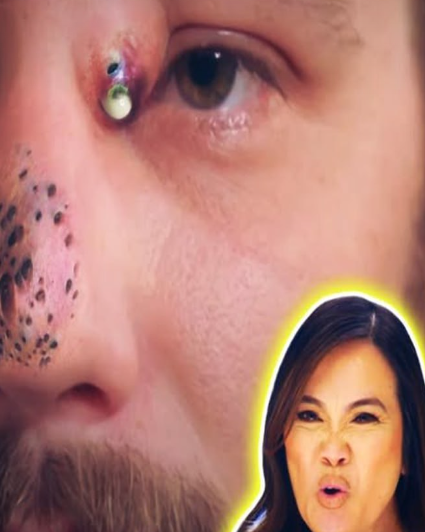

Most of us have dealt with the occasional breakout. A spot before a big event, a random blemish that disappears after a few days — annoying, but manageable. However, one man recently shared his experience with what he thought was “just a pimple,” only to discover it was something far more serious.
The issue began as a small, tender bump on his cheek. At first, it looked like a typical under-the-skin spot. Slight redness. A bit sore to the touch. Nothing alarming. But within days, the swelling increased dramatically, becoming painful and noticeably inflamed.
What he was dealing with wasn’t an ordinary whitehead — it appeared to be a cystic pimple.
What Are Cystic Pimples?
Cystic pimples are a severe form of acne that develop deep beneath the skin’s surface. Unlike regular pimples, which form closer to the top layer of skin, cystic acne occurs when pores become blocked with oil, dead skin cells, and bacteria — leading to infection and inflammation much deeper in the tissue.
Because of this, they tend to be:
- Larger than typical spots
- Painful or throbbing
- Red or purplish in appearance
- Slow to heal
- Less likely to form a visible “head”
And importantly — they’re not always limited to the face.
They Can Show Up Almost Anywhere
While many people associate acne with the face, cystic pimples can appear anywhere the body has oil glands. That includes the neck, chest, back, shoulders, scalp, and even more unexpected areas.
In this particular case, the man’s cyst formed on his cheek — a highly visible and sensitive area. As the swelling grew, it began affecting nearby tissue, causing discomfort when he smiled, ate, or even spoke.
The Temptation to Pop — And Why You Shouldn’t
Like many people would, he considered squeezing it.
After all, popping a regular pimple can sometimes offer quick relief. But cystic pimples are different.
Because they sit deep under the skin, squeezing them doesn’t simply release surface pus. Instead, pressure can push bacteria and infected material further into surrounding tissue. This can lead to:
- Increased inflammation
- Worsening infection
- Tissue damage
- Permanent scarring
- In rare cases, more serious complications
The skin on the face is particularly delicate, and aggressive squeezing can rupture the cyst internally. Dermatologists strongly advise against attempting to pop cystic acne at home.
When Things Escalate
In his case, the swelling continued to grow and became increasingly painful. Eventually, he sought medical attention. A healthcare professional assessed the area and determined that the cyst required proper treatment rather than home remedies.
Treatment for cystic acne can include prescription topical medications, oral antibiotics, corticosteroid injections to reduce inflammation, or in some cases, minor drainage procedures performed in sterile conditions.
Within days of receiving proper care, the swelling began to subside. However, doctors warned that attempting to pop it himself could have led to a far worse outcome.
Why Cystic Pimples Happen
Cystic acne can be triggered by several factors, including:
- Hormonal fluctuations
- Excess oil production
- Genetics
- Stress
- Certain medications
Because they form deep within the skin, over-the-counter spot treatments often don’t penetrate enough to resolve them effectively.
The Bigger Lesson
Skin issues can sometimes seem minor — especially when they start small. But cystic pimples are not your average breakout. They require patience, proper care, and sometimes professional treatment.
If you notice a painful, deep swelling that doesn’t improve within a few days, continues growing, or becomes increasingly tender, it’s best to consult a medical professional rather than trying to handle it yourself.
As tempting as it may be, squeezing or popping a deep cyst can do more harm than good.
What began as “just a pimple” for this man turned into a painful reminder that not all spots are created equal. When it comes to cystic acne, caution is key — and sometimes, the smartest move is simply to leave it alone.