
Public interest in the health of national leaders is nothing new. When presidents are older, highly visible, and under constant scrutiny, questions about stamina, cognition, and physical condition naturally follow. These conversations are not unique to any one political figure, but they tend to intensify when a leader’s public appearances spark discussion or speculation.
In recent weeks, that attention has once again turned toward President Donald Trump, particularly following several high-profile appearances, including his attendance at the World Economic Forum in Davos. While the president and his medical team have repeatedly stated that he remains in good health, some observers and commentators have raised broader questions related to age, communication patterns, and overall physical condition.
Donald Trump holds a historical distinction: he is the oldest individual to serve as President of the United States. Born on June 14, 1946, he first took office at age 70 and is now approaching 80 during his current term. By comparison, most previous presidents were significantly younger when they entered office, though age alone has never been a definitive measure of capability.
Medical experts consistently emphasize that aging affects individuals differently. Many people in their late 70s and beyond remain mentally sharp and physically active, while others experience typical age-related changes that do not necessarily signal disease. However, advancing age does increase the statistical risk for cardiovascular conditions, neurological changes, and chronic illnesses, particularly in roles that demand sustained focus, travel, and high-pressure decision-making.
Official information about presidential health generally comes from summaries released by White House physicians after routine medical examinations. These reports typically include vital statistics, cardiovascular assessments, laboratory results, and a physician’s overall evaluation. In President Trump’s case, past reports have referenced elevated cholesterol levels, routine medication use, and general fitness, but they have not included diagnoses of serious neurological conditions such as dementia.
It is also important to note that U.S. presidents are not legally required to release detailed medical records. Health disclosures are voluntary, and privacy laws limit what physicians can share without consent. As a result, the public often relies on summary statements rather than comprehensive medical data.
Public attention increased following Trump’s appearance in Davos, where observers noticed visible bruising on his hands. The White House attributed the marks to a minor incident and described the injuries as superficial. While such details may appear minor. They often fuel wider conversations about health, especially when paired with close analysis of speech, posture, or movement.
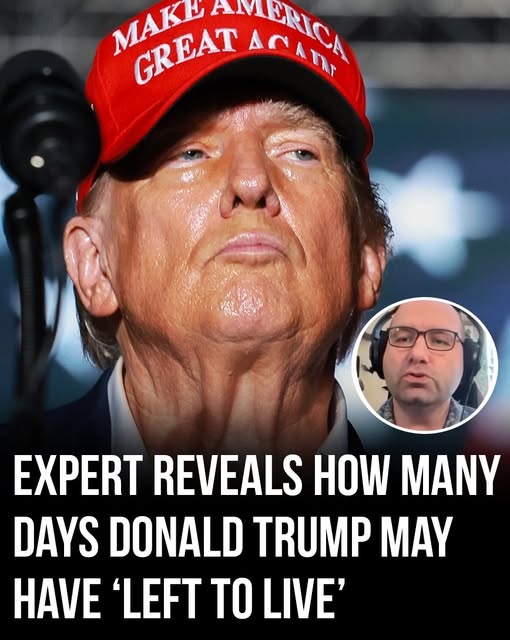
Some commentators, including licensed health practitioners, have offered general observations based on public footage. A licensed physical therapist, speaking on a political talk show, discussed age-related health issues and raised broad questions about neurological well-being. Medical professionals, however, caution strongly against drawing conclusions from video clips alone.
Experts point out several key limitations of public observation. Non-physicians cannot diagnose neurological disease, and even physicians cannot do so without direct examination, cognitive testing, imaging, and a full medical history. Video footage lacks critical context, including fatigue levels, environmental factors, stress, and individual variability. Clinicians also stress that isolated moments matter far less than consistent, documented patterns over time.
Some discussions have referenced neurological conditions such as frontotemporal dementia, a rare disorder affecting behavior and language. Specialists emphasize that diagnosing such conditions requires extensive clinical evaluation and cannot be confirmed or ruled out through public appearances. Speculation without evidence, they warn, risks misinformation and unfair conclusions.
The ongoing focus on Trump’s health reflects a broader global trend. Around the world, many leaders now serve well into their 70s and 80s. These examples demonstrate that age alone does not determine effectiveness. Functional ability, assessed through professional medical evaluation and transparent reporting, is what truly matters.
Medical experts generally agree on several well-established principles: normal aging is not the same as dementia; cognitive health varies widely among individuals; and comprehensive screening is essential for accurate assessment. Regular health reporting, when done responsibly, helps inform the public without encouraging unnecessary alarm.
Ultimately, public interest in the health of leaders is understandable. However, experts stress the importance of distinguishing between verified information, general medical knowledge, and unsupported speculation. A balanced, informed approach allows meaningful discussion while respecting privacy and maintaining public trust.
As conversations around age and leadership continue, professionals urge that they remain grounded in evidence, context, and restraint — focusing on facts rather than assumptions.