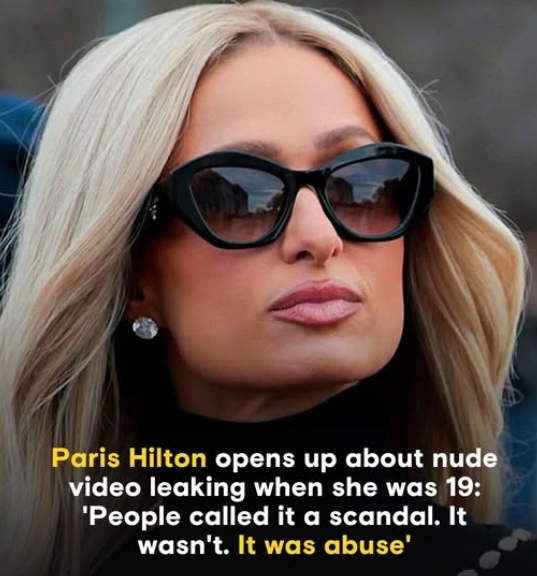

Paris Hilton is once again stepping into the political spotlight — not as a celebrity headline, but as an advocate calling for meaningful change.
The entrepreneur, media personality, and activist appeared on Capitol Hill this week to support new legislation aimed at protecting people from non-consensual intimate imagery, including content created using artificial intelligence. Her advocacy is rooted in her own lived experience and years of speaking out about the long-term impact of online exploitation.
Using Her Voice for Reform
Hilton has been open about how a private video from her late teens was shared without her consent, an experience that shaped both her personal life and public image. What was often framed in the media as gossip, she has consistently described as a violation that caused lasting harm.
Now, she is working with lawmakers to ensure others are better protected under the law.
Speaking alongside members of Congress from both parties, Hilton emphasized that technology has evolved faster than existing legal safeguards — particularly with the rise of AI-generated content that can falsely depict people in explicit ways without their permission.
What the Proposed Legislation Aims to Do
The bill being discussed would give individuals clearer legal options if intimate images are created or shared without consent, including those generated digitally. Supporters say the goal is accountability, deterrence, and support for victims navigating an increasingly complex online world.
Lawmakers involved described the effort as bipartisan, highlighting that digital privacy and personal dignity are issues that affect people across political lines.
More Than a Celebrity Appearance
This is not Hilton’s first visit to Capitol Hill. In recent years, she has advocated for reforms related to youth treatment programs, drawing attention to abuse and oversight issues within institutional care systems.
Her continued involvement has shifted public perception, with many seeing her advocacy as part of a broader commitment to reform rather than a one-time appearance.
Why It Matters
As technology continues to blur the line between real and fabricated content, supporters of the legislation argue that clear legal protections are essential. Hilton’s role brings public visibility to an issue that often affects private individuals without platforms or resources.
By sharing her story in a legislative setting, she is reframing conversations around consent, accountability, and digital responsibility — and urging lawmakers to act before more people are harmed.