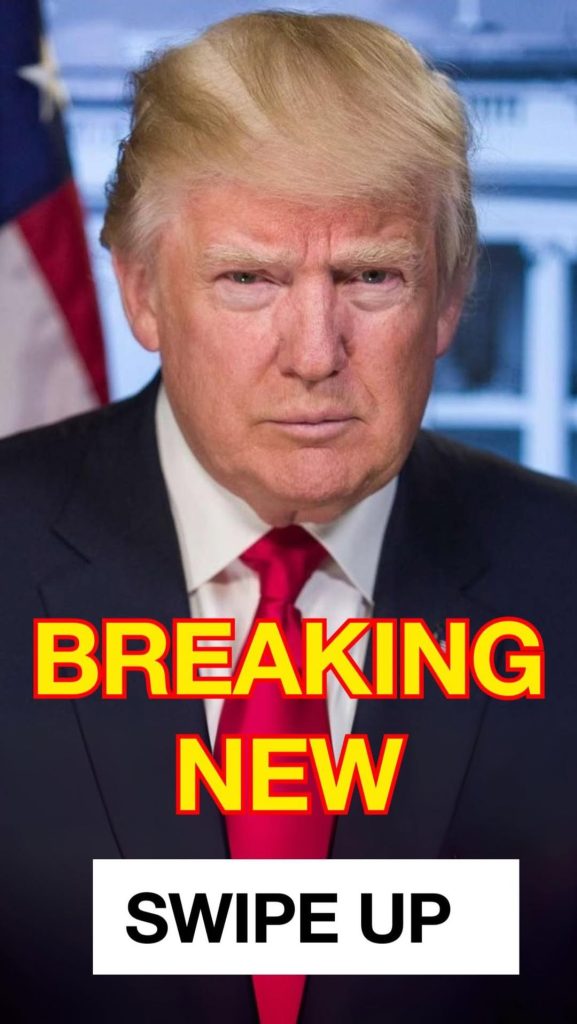

Former U.S. President Donald Trump is facing renewed criticism after posting a controversial AI-generated video on his social media platform, Truth Social. The video, which first appeared on TikTok, falsely depicts former President Barack Obama being arrested and imprisoned—an entirely fabricated scenario created using artificial intelligence technology.
The clip is set to the disco hit YMCA by The Village People, a song long associated with Trump’s campaign rallies. It repurposes genuine footage from a 2016 meeting between Trump and Obama at the White House but digitally alters the interaction to show Obama being handcuffed by federal agents. The manipulated footage then transitions to a fictional prison scene, portraying Obama behind bars in an orange jumpsuit. To heighten the dramatic effect, the video includes audio from a past Obama speech in which he says, “no one is above the law,” reframed to align with the fabricated arrest.
The post quickly ignited backlash across social media, particularly on X, where critics labeled the video “misleading,” “dangerous,” and “deeply irresponsible.” Many users expressed concern that the realistic nature of AI-generated content could cause confusion, especially among viewers who may not immediately recognize the clip as fictional. Some commentators warned that older audiences or individuals less familiar with deepfake technology might interpret the video as authentic news footage.
This is not the first time Trump has drawn scrutiny for sharing AI-generated or digitally manipulated content. In the past, he has posted stylized images portraying himself as Superman and shared altered media involving musician Bruce Springsteen. While those earlier posts were often dismissed as exaggerated or satirical, critics argue that depicting a former president being arrested represents a more serious escalation, given the potential for political misinformation.
The controversy highlights growing concerns about the use of artificial intelligence in political messaging. Advances in generative AI have made it easier than ever to create convincing fake videos that blend real footage with fabricated elements. Media experts warn that such content can erode public trust, fuel political polarization, and blur the line between satire and deception.
Supporters of Trump have defended the post as political humor and free expression, arguing that exaggerated memes and parody have long been part of campaign culture. However, opponents contend that AI-generated videos carry unique risks due to their realism and viral potential. As technology continues to evolve, the debate over the ethical and political implications of manipulated media is likely to intensify, raising urgent questions about accountability and digital responsibility in modern politics.