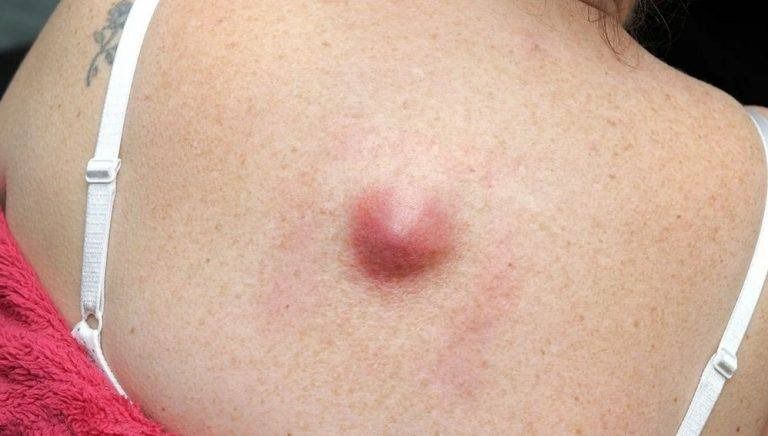

We all get them. Random bumps on our skin that seem to appear out of nowhere, hang around for a bit, then either disappear… or don’t. Most of the time, we shrug, Google it once at 2 a.m., convince ourselves we’re fine, and move on.
But according to dermatologists, not all skin bumps are created equal. While the majority are harmless (and honestly just annoying), some can be your body’s way of saying, “Hey, something’s not right.”
So how do you tell the difference between a harmless bump and one you should actually care about? Let’s break it down.
WHY DO SKIN BUMPS EVEN HAPPEN?
Your skin is your body’s first line of defense. It reacts to hormones, bacteria, clogged pores, allergies, friction, sun exposure, and even stress. When something disrupts that balance, bumps happen.
Most are benign. Some are cosmetic. A few are worth checking out. Knowing which is which can save you a lot of unnecessary panic — or prompt you to get help when it actually matters.
COMMON SKIN BUMPS THAT ARE USUALLY HARMLESS
Milia
These are tiny white bumps, often seen around the eyes, cheeks, or nose. They’re caused by trapped keratin under the skin. They’re not pimples, and squeezing them won’t help. The good news? They usually go away on their own within weeks or months.
Sebaceous Hyperplasia
These small, soft, yellowish bumps often have a tiny indentation in the center. They’re enlarged oil glands and tend to show up on the forehead or cheeks, especially as you age. They’re permanent unless removed, but totally harmless.
Cherry Angiomas
Bright red, smooth spots that can look a little alarming at first. These are made up of small blood vessels and become more common with age. If they’re not bleeding or changing, they’re benign.
Skin Tags
Soft, flesh-colored growths that usually pop up on the neck, armpits, groin, or under the breasts. They’re often caused by friction or genetics. Annoying? Yes. Dangerous? No.
Keratosis Pilaris
Often called “chicken skin,” these tiny rough bumps usually show up on the upper arms, thighs, or cheeks. They’re caused by clogged hair follicles and are more of a texture issue than a health problem. Moisturizing and gentle exfoliation can help.
WHEN SKIN BUMPS DESERVE ATTENTION
Here’s where it gets serious. Some bumps are your cue to stop ignoring your skin.
Rapid changes
If a bump suddenly changes in size, color, shape, or texture, that’s a red flag. Especially if it darkens, becomes uneven, or starts spreading.
Bleeding or crusting
Bumps that bleed without being picked, or that form scabs repeatedly, should always be checked. This can be a sign of skin cancer or chronic infection.
Pain, warmth, or swelling
Painful bumps that feel warm or look red and inflamed could indicate an infection, abscess, or allergic reaction — especially if they’re getting worse.
Irregular moles
Dermatologists use the ABCDE rule for melanoma:
Asymmetry
Border irregularity
Color variation
Diameter larger than a pencil eraser
Evolving over time
If a mole checks any of these boxes, don’t wait.
Itching that won’t stop
Persistent itching, especially with thickened or scaly skin, can signal inflammatory conditions or, in rare cases, cancer.
WHY PEOPLE MISS THE WARNING SIGNS
Most people assume skin cancer looks dramatic. In reality, it often doesn’t. Many dangerous lesions look subtle, flat, or “normal enough” to ignore.
Add busy schedules, fear of doctors, and the belief that “it’s probably nothing,” and it’s easy to see why people delay getting checked.
WHEN TO SEE A DOCTOR
You should book an appointment if a bump:
• Changes quickly
• Bleeds, crusts, or won’t heal
• Is painful or infected
• Looks very different from other spots on your body
• Just feels “off” to you
Trust that instinct. You know your body better than anyone.
THE BOTTOM LINE
Most skin bumps are harmless and part of being human. But your skin also tells stories — about your health, your habits, and sometimes, hidden problems.
Pay attention. Take photos if something changes. And if you’re unsure, get it checked. In skin health, early attention isn’t overreacting — it’s smart.
Your future self will thank you.