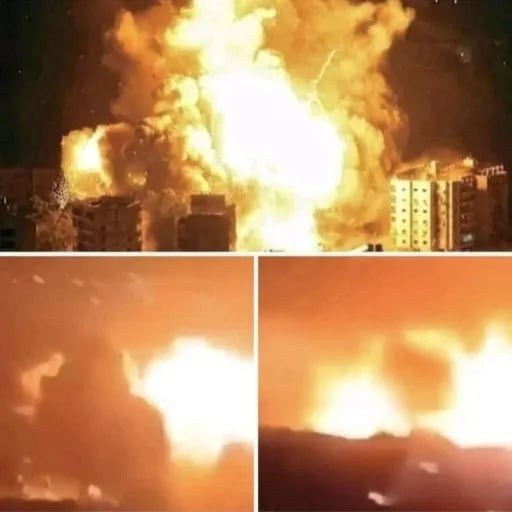
A devastating fire broke out on Saturday afternoon in the Pamplona Alta sector of San Juan de Miraflores, a densely populated district in Lima, Peru, leaving widespread destruction in its wake. Initial reports indicate that at least 300 homes were either damaged or completely destroyed as the flames rapidly spread through the area, which is known for its tightly packed and often improvised housing structures. The incident has left hundreds of families without shelter, sparking an urgent response from local authorities, emergency services, and humanitarian organizations.
The fire reportedly began in the early afternoon hours, though the exact cause remains under investigation. Witnesses described seeing thick plumes of smoke rising into the sky, followed by fast-moving flames that quickly engulfed nearby homes. Due to the nature of the construction in Pamplona Alta—where many houses are built with flammable materials such as wood, plastic, and corrugated metal—the fire spread at an alarming rate, making it difficult for residents to react in time. Strong winds in the area further fueled the blaze, pushing it across multiple blocks within a short period.
Residents recounted scenes of panic and chaos as families rushed to evacuate their homes, grabbing whatever belongings they could carry. Many were forced to leave everything behind as the fire advanced uncontrollably. Children, elderly individuals, and people with disabilities were among those most vulnerable, relying on neighbors and community members for assistance. Some residents attempted to fight the flames using buckets of water and basic tools before emergency crews arrived, but their efforts were largely overwhelmed by the intensity of the fire.
Firefighters, supported by police and local emergency response teams, were quickly dispatched to the scene. Dozens of units worked tirelessly to contain the blaze and prevent it from spreading further into surrounding neighborhoods. However, accessing the affected area proved to be a major challenge. Narrow, unpaved roads and the lack of proper infrastructure slowed the movement of fire trucks and equipment, complicating the response efforts. Despite these obstacles, authorities eventually managed to bring the fire under control after several hours of continuous work.
By the time the flames were contained, the scale of the devastation had become clear. Entire rows of homes were reduced to ashes, leaving behind charred debris and smoldering ruins. The number of affected homes is still being assessed, but early estimates suggest that between several dozen and more than 100 houses were impacted, with some reports indicating the number could be as high as 300. Regardless of the final count, the human toll is undeniable, with hundreds of residents now displaced and facing an uncertain future.
Emergency shelters have been set up to accommodate those who lost their homes, with local authorities coordinating efforts to provide food, water, clothing, and medical assistance. Volunteers and community organizations have also stepped in, offering support and collecting donations for the victims. Despite these efforts, the needs remain significant, as many families have lost not only their homes but also their personal belongings, documents, and sources of income.
Health officials have expressed concern about the potential risks associated with the fire, including smoke inhalation and minor injuries sustained during the evacuation. Medical teams on site have treated several individuals, though no large number of serious injuries has been reported so far. Authorities continue to monitor the situation closely, ensuring that those affected receive the necessary care and support.
Investigators are currently working to determine the exact cause of the fire. While no official conclusion has been reached, preliminary theories include the possibility of an electrical fault, a cooking accident, or the mishandling of flammable materials. Given the conditions in informal settlements like Pamplona Alta, where access to safe electrical systems and fire prevention resources is limited, such incidents are not uncommon.
This tragic event has once again highlighted the vulnerabilities faced by communities living in precarious housing conditions. Experts have long warned about the risks associated with overcrowding, inadequate infrastructure, and the use of combustible building materials. Fires in such areas can spread rapidly and cause extensive damage, as seen in this case. The incident has renewed calls for government action to improve living conditions, enforce safety regulations, and invest in urban planning initiatives that prioritize the well-being of residents.
Local authorities have pledged to conduct a thorough assessment of the damage and to provide assistance to those affected. Plans are already being discussed to support reconstruction efforts and to help families rebuild their lives. However, recovery is expected to be a long and challenging process, requiring sustained support from both the government and the broader community.
For many residents, the emotional impact of the disaster is just as significant as the physical loss. Families who have lived in the area for years have seen their homes and memories destroyed in a matter of hours. The sense of uncertainty and displacement has taken a heavy toll, particularly on children who have been left without a stable environment.
Despite the devastation, stories of resilience and solidarity have begun to emerge. Neighbors have come together to support one another, sharing resources and offering comfort in the face of tragedy. Volunteers from across Lima have mobilized to assist in relief efforts, demonstrating the strength of community spirit during difficult times.
As authorities continue their investigation and relief operations, the focus remains on providing immediate assistance to those in need and preventing further harm. The fire in San Juan de Miraflores serves as a stark reminder of the importance of preparedness, infrastructure, and community support in mitigating the impact of such disasters.
In the coming days and weeks, attention will likely shift toward rebuilding and recovery. For now, however, the priority is clear: ensuring that the hundreds of displaced residents receive the help they need to begin putting their lives back together after this devastating event.