It often begins with a moment of alarm.
You run your tongue across the inside of your mouth and feel something unfamiliar—a small, soft bump on your lower lip or along the inner cheek. Maybe it looks clear, slightly bluish, or almost like a tiny fluid-filled blister. It may seem to appear overnight. Suddenly, your mind races. Is it an infection? A cyst? Something dangerous?
For many people, discovering a bump like this causes immediate anxiety.
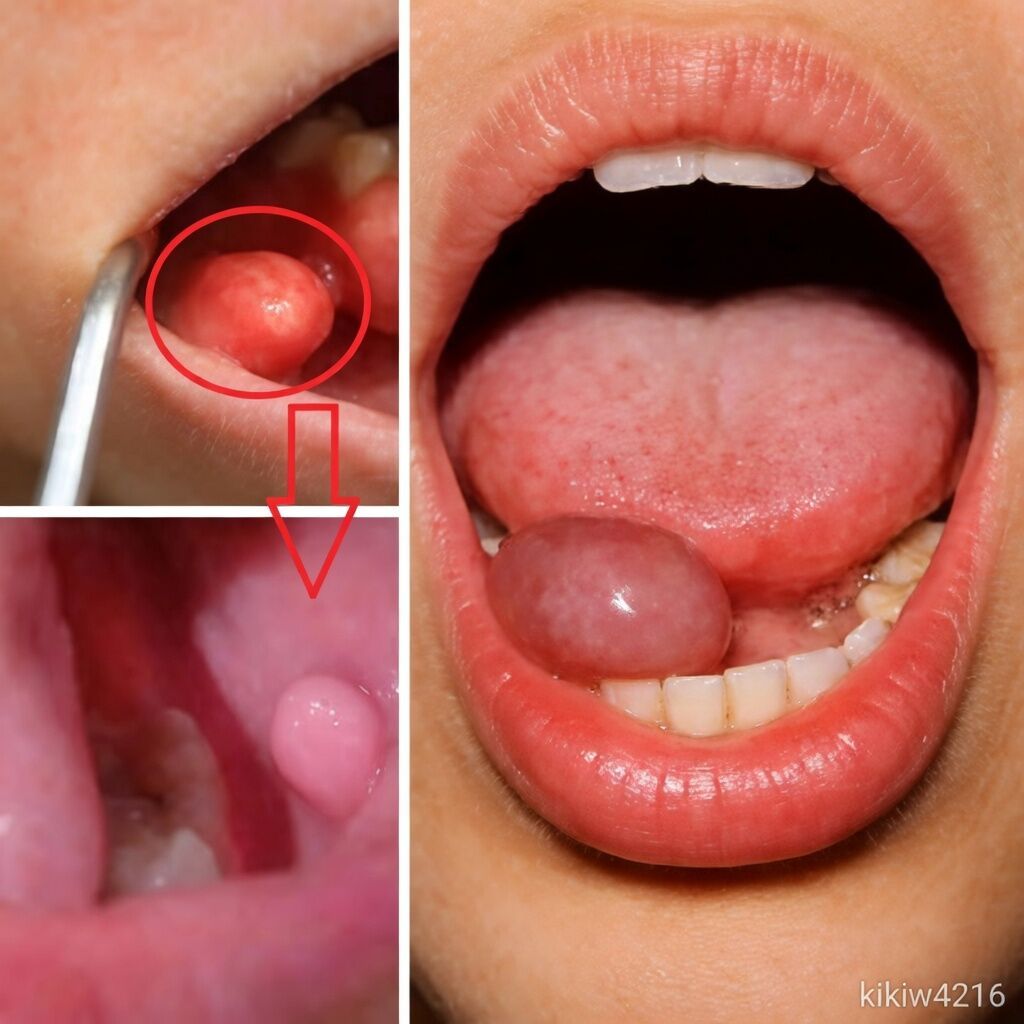
But in many cases, especially when the lesion is painless, soft, and translucent, it may be something surprisingly common and generally harmless: an oral mucocele.
Though the name sounds intimidating, an oral mucocele is usually a benign condition caused by trapped saliva. It can look unusual, feel strange, and understandably trigger panic, but it rarely signals a serious medical emergency.
What Exactly Is an Oral Mucocele?
A mucocele is a mucus-filled cyst that forms when a minor salivary gland becomes damaged or blocked.
Your mouth contains many tiny salivary glands that constantly produce saliva to keep tissues moist and support digestion. If one of these small ducts becomes injured—often from accidental lip biting, trauma, or irritation—saliva can leak into surrounding tissue instead of draining normally.
That trapped mucus creates a small swelling or cyst-like bump.
The result is what many people suddenly notice in the mirror and mistake for something much more alarming.
What Does It Look Like?
Mucoceles often have a very distinct appearance.
They may be:
- Clear or translucent
- Bluish or slightly purple
- Soft and dome-shaped
- Smooth-surfaced
- Painless or mildly irritating
- Filled with fluid
- Fluctuating in size
Some remain tiny, while others enlarge over days or weeks.
Many people describe them as looking like a “water bubble” inside the mouth.
The most common location is the inner lower lip, though they can also appear:
- Inside the cheeks
- Under the tongue
- Floor of the mouth
- Soft palate
- Occasionally on gums or other oral tissues
When they occur under the tongue and grow larger, they may sometimes be called a ranula, a related type of mucus cyst.
Why Do They Happen?
One reason people panic is because mucoceles can seem to appear suddenly without warning.
But often, there is a trigger.
Common causes include:
Lip Biting or Cheek Biting
One accidental bite may damage a salivary duct.
Repeated Trauma
Constant friction from braces, dental appliances, or even chewing habits can irritate tissue.
Sports Injuries or Accidental Hits
A bump to the mouth can sometimes lead to one forming.
Blocked Salivary Ducts
Sometimes the gland becomes obstructed rather than ruptured.
Stress-Related Habits
Some people unconsciously chew or bite the inside of their lips during stress.
Ironically, the same people who panic about finding the bump may have caused it without realizing it.
Symptoms That Often Cause Fear
People often worry because mucoceles can feel strange.
Common symptoms include:
- Feeling like something is stuck in the lip
- A squishy bump that shifts slightly
- Mild tenderness when eating
- Irritation while talking
- A sensation of fullness
- Occasional rupture and refilling
One day it may seem smaller.
The next day it returns.
That unpredictable pattern often fuels anxiety.
But this behavior is common with mucoceles.
Some even burst spontaneously, drain, shrink, and then refill again.
That can be frustrating—but often still benign.
Why They’re Often Mistaken for Something Serious
Because they appear suddenly and may look unusual, mucoceles are frequently confused with more concerning problems.
People may fear:
- Oral cancer
- Infections
- Herpes lesions
- Blood blisters
- Abscesses
- Tumors
- Cysts requiring surgery
The internet often makes that fear worse.
A harmless lesion can send someone spiraling through alarming search results in minutes.
But classic mucoceles are generally very different from dangerous oral lesions.
They’re often:
- Soft, not hard
- Painless, not aggressively painful
- Smooth, not ulcerated
- Stable or fluctuating, not rapidly invasive
That distinction matters.
Do They Go Away On Their Own?
Very often—yes.
Small mucoceles commonly resolve spontaneously.
They may rupture naturally and heal over days or weeks.
Some disappear without treatment entirely.
That’s one reason serious intervention is often unnecessary.
Observation is frequently enough.
However, some persist or recur.
When they keep returning or become bothersome, a dentist or oral specialist may evaluate them.
What You Should NOT Do
One mistake people make?
Trying to pop it.
Do not:
- Pierce it with a needle
- Squeeze it
- Cut it
- Pick at it
- Try “draining” it at home
This can lead to:
- Infection
- Bleeding
- More trauma
- Scarring
- Worsening inflammation
And often it simply returns anyway.
Home “fixes” can make a simple issue more complicated.
When to See a Professional
Even though mucoceles are usually harmless, it’s wise to get oral changes checked if they:
- Last longer than two weeks
- Grow rapidly
- Become painful
- Bleed repeatedly
- Feel hard or fixed
- Interfere with eating or speech
- Recur often
- Develop unusual color changes
- Appear alongside unexplained ulcers
Dentists often recognize mucoceles quickly.
Sometimes no treatment is needed.
Sometimes monitoring is recommended.
In persistent cases, a clinician may remove the cyst and sometimes the involved salivary gland to prevent recurrence.
These procedures are often minor.
How Doctors Diagnose It
Diagnosis is often based simply on appearance and location.
A provider may ask:
When did it appear?
Have you bitten the area?
Has it changed size?
Has it ruptured before?
Is it painful?
Often, examination alone strongly suggests a mucocele.
Occasionally, if something looks atypical, further evaluation may be done to rule out other conditions.
But for classic cases, diagnosis is usually straightforward.
Why They Happen So Often in Younger People
Mucoceles are especially common in children, teens, and young adults.
Why?
Because lip biting, sports injuries, braces, and accidental trauma tend to happen more frequently.
Kids may develop them and not even mention them until a parent notices.
Adults can get them too, of course—but they’re particularly common in younger people.
Can Stress Make Them Worse?
Indirectly, yes.
Stress may contribute through unconscious habits:
Lip chewing.
Biting.
Jaw clenching.
Repeated irritation.
Sometimes treating the habit helps prevent recurrence.
Prevention Tips
While not always preventable, reducing irritation may help.
Simple steps include:
Avoid biting your lips.
Address sharp dental edges.
Use mouthguards in sports.
Manage stress-related chewing habits.
Ensure braces or appliances fit properly.
Protect oral tissues from repeated trauma.
Small changes may prevent repeat episodes.
Why “Bluish” Color Can Be Misleading
Many people panic specifically because of the blue or purple tint.
But that coloration is often due to:
Light reflecting through trapped mucus.
Nearby blood vessels.
Thin oral tissue.
Minor bleeding from trauma.
It can look dramatic while still being benign.
That appearance alone does not automatically signal something dangerous.
The Psychology of Finding Something in Your Mouth
There’s a reason these bumps cause outsized fear.
Anything unfamiliar inside the mouth feels alarming.
You notice it constantly.
Your tongue keeps touching it.
Every meal reminds you it’s there.
It can become hard to think about anything else.
People often assume:
“If I can feel it this much, it must be serious.”
But awareness does not equal danger.
Often it simply reflects how sensitive the mouth is.
A Common Story
Someone bites their lip while eating.
Two days later they notice a bubble-like swelling.
They panic.
Search symptoms online.
Fear the worst.
Schedule an emergency visit.
Then hear:
“It’s a mucocele.”
And often?
It resolves.
This happens far more often than people realize.
Rarely Serious—But Worth Respecting
Calling mucoceles harmless doesn’t mean ignoring every oral change.
Persistent lesions should still be evaluated.
But the important point is perspective.
A sudden translucent or bluish bump inside the mouth often looks scarier than it is.
And in many cases, it represents a very common benign issue rather than a serious disease.
That alone can be reassuring.
The Bigger Lesson
Sometimes the body produces things that look alarming but are relatively minor.
An oral mucocele is one of those conditions.
It can appear suddenly.
It can feel unsettling.
It may trigger immediate panic.
Yet most often, it reflects a blocked or injured salivary gland—not a medical catastrophe.
Understanding that difference matters.
Because fear often grows fastest in uncertainty.
And knowledge can quiet that fear.
Final Thought
If you suddenly discover a clear or bluish bump on your lower lip or inside your mouth, don’t assume the worst.
It may simply be a common oral mucocele—a benign condition many people experience and few talk about until they panic over it.
Pay attention.
Avoid irritating it.
Get persistent lesions checked.
But remember:
Not every strange symptom is a crisis.
Sometimes it’s just your body healing from a tiny injury in a surprisingly dramatic-looking way.