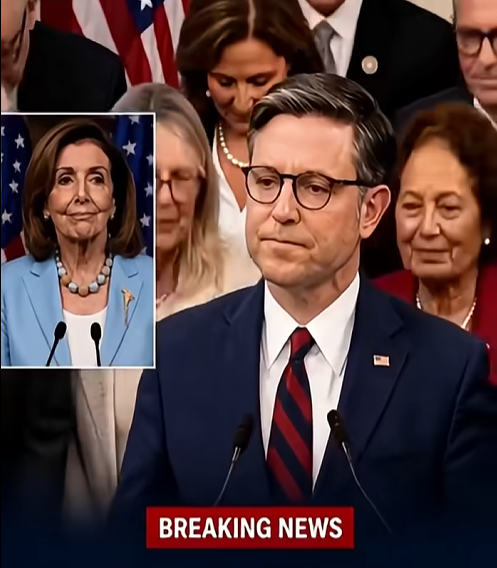
A major piece of legislation aimed at protecting American businesses from the financial fallout of terrorist attacks has cleared the U.S. House of Representatives, putting renewed attention on a federal insurance program that plays a crucial role in the country’s commercial real estate, construction, and financial sectors.
The bill would reauthorize the Terrorism Risk Insurance Program, a federal backstop designed to help insurers cover certain losses resulting from certified acts of terrorism. The program was created to address a serious problem that emerged after the September 11, 2001, attacks, when insurance companies faced enormous losses and terrorism coverage became more difficult and expensive to obtain.
For businesses operating in major American cities, the program represents an important layer of financial protection against an unpredictable threat. Without a functioning terrorism insurance market, major developments, office buildings, hotels, shopping centers, and other commercial properties could face higher insurance costs or difficulty securing the coverage required by lenders and investors.
The House vote marks an important step in determining the future of that protection, although the bill’s passage in the chamber does not, by itself, mean the legislation has become law.
Why the Terrorism Risk Insurance Program Matters
The Terrorism Risk Insurance Program, commonly known as TRIP or TRIA, was established in 2002 after the September 11 attacks exposed the enormous financial risks associated with terrorism.
Before the attacks, terrorism coverage was often included in commercial insurance policies. The scale of the destruction in New York, Washington, and Pennsylvania changed the insurance industry’s understanding of the potential losses associated with a single coordinated terrorist attack.
Insurers subsequently became more reluctant to provide terrorism coverage without significant restrictions or higher premiums. That uncertainty threatened to affect businesses across the country, particularly those involved in large construction projects and commercial property investments.
Congress responded by creating a federal program that shares certain insured terrorism losses between private insurers and the federal government, subject to statutory requirements, deductibles, and other limits.
The arrangement was designed to help maintain a viable private insurance market rather than replace private insurers altogether.
Under the program, insurance companies remain responsible for their required share of covered losses. The federal government provides a backstop for qualifying losses above applicable thresholds, helping the industry manage events that could otherwise create extraordinary financial pressure.
The program does not guarantee that every terrorism-related loss will be covered. Eligibility depends on the law’s requirements, the terms of the relevant insurance policy, and whether an incident meets the criteria for certification as an act of terrorism.
What the House Vote Could Mean for American Businesses
The reauthorization effort matters because terrorism insurance is closely connected to decisions about investment, lending, construction, and commercial development.
Many commercial property owners rely on insurance coverage to protect buildings and meet financing requirements. If terrorism coverage becomes unavailable or significantly more expensive, some projects could face delays, additional costs, or more difficult negotiations with lenders.
Large urban properties can be particularly exposed to these concerns because of their concentration of people, infrastructure, and economic activity. However, the effects of terrorism insurance policy can extend well beyond major metropolitan areas, influencing businesses and projects throughout the United States.
The program also provides greater predictability for insurers. By establishing a framework for sharing qualifying losses, it can make it easier for companies to offer coverage for risks that would otherwise be difficult to price.
For developers, investors, and business owners, the prospect of continued federal support may help reduce uncertainty when making long-term financial commitments.
That does not mean reauthorization would eliminate insurance costs or prevent premiums from rising. Insurers still evaluate individual properties, locations, policy limits, and broader market conditions. The program instead helps preserve a mechanism for managing the potentially devastating losses associated with a major terrorist incident.
The Legislation Includes Changes Beyond a Simple Extension
The House-approved legislation, known as the TRIA Program Reauthorization Act of 2026, would extend the program through 2034, giving businesses and insurers a longer period of certainty before the existing authorization expires at the end of 2027.
The House approved H.R. 7128 on June 29, 2026, by an overwhelming vote of 373 to 15. The result demonstrated broad bipartisan support for maintaining a federal mechanism that helps protect the commercial insurance market against catastrophic terrorism-related losses.
U.S. House Committee on Financial Services
+1
However, the House bill would also introduce changes to the program’s certification requirements. Beginning in 2029, the threshold for property and casualty insurance losses required for an incident to qualify for certification would increase from $5 million to $10 million.
The legislation would also establish additional transparency requirements and timelines for the Treasury Department’s process of determining whether an incident qualifies as an act of terrorism under the program.
These provisions are intended to make the system more predictable for insurers and policyholders while updating the rules governing when federal support may become available.
The changes matter because certification is a key part of the process. An incident does not automatically qualify simply because it involves violence or causes substantial property damage. The federal government must determine whether the event meets the statutory criteria, and the program’s financial protections apply only under the relevant legal conditions.
The higher threshold could narrow eligibility for certain incidents, even as the broader extension would preserve the program for major qualifying events.
That distinction is important for businesses evaluating their insurance arrangements. A longer authorization period offers stability, but it does not mean every incident will qualify for federal assistance or that every policyholder will receive compensation.
A Rare Bipartisan Agreement in Washington
The strong House vote also highlights how terrorism insurance has become an area where lawmakers from both parties have found common ground.
Although disagreements over federal spending, taxation, and government intervention remain common in Washington, the program has received support
from lawmakers who view it as an important safeguard for the American economy.
Supporters argue that the government-backed arrangement helps protect businesses from a disruption that could spread far beyond the location of an attack. A major incident could affect property owners, employees, lenders, insurers, and local economies simultaneously.
Rep. Mike Flood, the Nebraska Republican who sponsored the House legislation, has emphasized the importance of maintaining stability in the insurance market while updating the program’s rules. The legislation also received support from Democratic lawmakers, including Emanuel Cleaver, Nydia Velázquez, and Ayanna Pressley.
Nevertheless, the program’s federal backstop raises questions about the government’s role in sharing extraordinary financial risks with private industry.
The arrangement is not an unlimited promise to cover all losses. It operates under statutory conditions, and the law includes mechanisms governing the government’s participation and the potential recovery of certain federal payments from the insurance industry.
For taxpayers, the central consideration is whether maintaining the backstop provides sufficient economic protection to justify the government’s exposure to potentially significant losses.
Supporters contend that the alternative could be more expensive in the long run if a lack of insurance disrupts commercial lending, construction, employment, and investment.
What Happens Next?
Despite its passage in the House, the legislation must complete the remaining steps in Congress before it can become law.
The Senate passed its own reauthorization measure, S. 4395, unanimously by consent on September 28, 2026. That version would extend the program through 2034 and update the timing of certain mandatory federal recoupment provisions.
The Senate measure was received by the House on October 5 and was listed as held at the desk as of October 15, 2026. It had therefore not yet completed the legislative process, and the reauthorization should not be described as finalized.
Lawmakers will need to resolve the differences between the House and Senate approaches before the measure can be sent to the president. The final outcome will determine which provisions are included in the reauthorization.
The existing program is scheduled to expire at the end of 2027, leaving Congress time to complete the process but also giving businesses a reason to seek clarity well before that deadline.
For now, the House vote represents a significant step toward preserving a federal insurance framework that has operated for more than two decades.
The broader issue extends beyond insurance companies or commercial property owners. It concerns how the United States prepares its financial system for rare but potentially devastating events without leaving businesses exposed to risks that private markets may struggle to absorb alone.
Whether through the House-approved bill or a negotiated final version, the next congressional decisions will determine how long that protection continues and what conditions govern its use.
For American businesses planning major investments, the message is clear: lawmakers have demonstrated strong support for continuing the terrorism insurance program, but the final details of its future still depend on completing the legislative process.