WASHINGTON — A dramatic new development in the tense relationship between the United States and Iran unfolded on May 29, 2026, when President Donald Trump said he was heading into the White House Situation Room to make what he described as a “final determination” on a potential agreement with Iran.
Trump’s announcement came as U.S. and Iranian negotiators appeared to be moving toward a possible memorandum of understanding that could extend a ceasefire and establish a framework for further negotiations over Iran’s nuclear program. However, despite reports that important elements of the arrangement had been worked out, the agreement had not yet received final approval from Trump, and there remained uncertainty about whether Iran had accepted every condition being discussed.
The announcement immediately placed renewed attention on the White House and the possibility of a major diplomatic decision that could affect the broader Middle East.
Trump Outlines His Conditions
In a post on Truth Social, Trump laid out several conditions that he said would need to be part of any agreement with Iran.
One of his central demands was that Iran agree not to develop or possess a nuclear weapon.
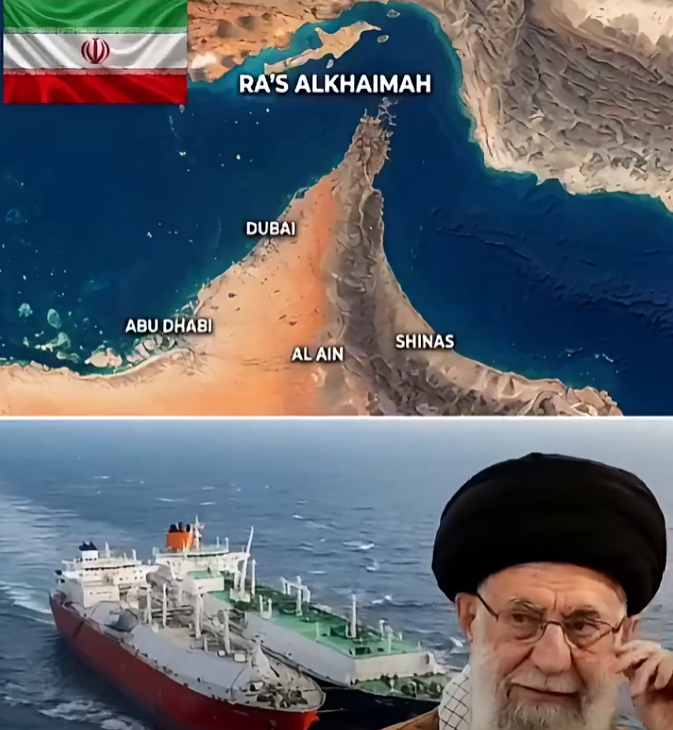
Trump also insisted that the Strait of Hormuz be reopened for unrestricted shipping traffic. The strategically important waterway is a major route for global energy shipments, meaning any prolonged disruption could have consequences far beyond the Middle East.
Trump said the strait needed to be open without tolls and available for shipping in both directions.
He also discussed the issue of sea mines, saying that any remaining mines in the waterway would need to be removed or destroyed. Trump stated that U.S. forces had already removed some mines and said Iran would be expected to address any that remained.
Another issue raised by the president involved Iran’s enriched uranium.
Trump said highly enriched nuclear material would need to be removed and destroyed in coordination with the United States, Iran and the International Atomic Energy Agency. However, contemporary reporting emphasized that it was unclear whether Iran had agreed to all of those terms.
A Possible 60-Day Ceasefire Extension
At the center of the proposed arrangement was a potential 60-day extension of the ceasefire.
The agreement was reportedly intended to provide additional time for negotiations over Iran’s nuclear program while reducing the immediate risk of renewed fighting.
According to reporting at the time, U.S. and Iranian negotiators had reached agreement on significant portions of a memorandum of understanding, but the details still required final political approval.
Axios reported that the proposed memorandum involved extending the ceasefire for 60 days and reopening the Strait of Hormuz while negotiations continued on the nuclear issue.
That meant the Situation Room meeting was not simply about signing a completed agreement. Instead, Trump was considering whether the proposed framework was acceptable and whether the negotiations should move forward under the conditions being discussed.
Why the Strait of Hormuz Was So Important
The Strait of Hormuz became one of the most important issues in the negotiations because of its significance to international energy markets.
The narrow waterway connects the Persian Gulf with the Gulf of Oman and the wider Arabian Sea. Large quantities of oil and other energy products pass through the area.
Any disruption can therefore have consequences for shipping companies, energy markets and consumers around the world.
Trump’s insistence that the waterway be reopened was consequently about more than regional shipping. It was also connected to broader economic concerns.
The president said ships affected by the blockade could begin the process of returning home if the situation moved toward an agreement.
At the same time, the precise timing of any lifting of restrictions remained an issue of uncertainty because the proposed arrangement still required final approval.
The Nuclear Question Remained Central
The most difficult part of the negotiations involved Iran’s nuclear program.
Trump repeatedly emphasized that preventing Iran from obtaining a nuclear weapon was a fundamental requirement for any agreement.
The proposed framework therefore went beyond simply stopping military activity. It was connected to longer-term negotiations concerning Iran’s nuclear materials and capabilities.
Trump said that Iran would have to agree that it would never possess a nuclear weapon or bomb. He also discussed the removal of highly enriched uranium as part of the proposed arrangement.
However, reports at the time made clear that there were still unanswered questions about whether Tehran had formally accepted all of these conditions.
That distinction was important.
A preliminary understanding between negotiators does not necessarily mean that the governments involved have formally approved a final agreement.
Iran’s Position Was Less Certain
While Trump described the negotiations as making significant progress, Iranian officials did not necessarily present the situation in the same way.
Contemporary reporting noted that Iran had not clearly confirmed acceptance of all the terms Trump publicly described.
The uncertainty created an important gap between the American president’s description of the negotiations and the status of a finalized agreement.
The Times of Israel reported that Iran denied giving its final approval, while Israeli officials also believed Iran’s leadership had not yet formally signed off on the memorandum.
That meant Trump’s Situation Room meeting was taking place at a particularly sensitive moment.
The president was considering whether the proposed framework was sufficient to move forward, while negotiators still faced unresolved questions.
No Immediate Financial Exchange
Trump also indicated that there would be no immediate exchange of money under the arrangement.
In his statement, he said, “No money will be exchanged, until further notice,” while suggesting that other elements of the proposed deal had been addressed.
This appeared to indicate that financial or sanctions-related issues would remain subject to additional negotiations and conditions.
The approach reflected the broader complexity of the negotiations. The proposed arrangement was not simply about ending military confrontation. It also involved nuclear restrictions, shipping access, sanctions and future diplomatic discussions.
Why the Situation Room Meeting Mattered
The White House Situation Room is used for discussions involving major national-security and foreign-policy decisions.
Trump’s decision to meet there with his national-security team underscored the importance of the decision he was considering.
According to Axios, Trump convened his national-security team to decide whether to approve the agreement reached between U.S. and Iranian negotiators. The outlet described the potential memorandum as a significant diplomatic development, while noting that additional negotiations would still be required to address the broader nuclear issue.
The meeting therefore represented a critical moment in the diplomatic process.
A decision to approve the framework could create an opportunity for additional negotiations and a longer pause in fighting.
A decision not to approve it could leave the two sides facing continued uncertainty and potentially renewed confrontation.
A Moment of High Stakes Diplomacy
The announcement also demonstrated how quickly developments between Washington and Tehran could change.
One moment, negotiators were reporting progress toward an agreement. The next, questions remained over whether the Iranian leadership would accept the conditions being demanded by the United States.
The situation involved multiple governments and institutions, including the United States, Iran and the International Atomic Energy Agency, as well as regional actors closely monitoring developments.
The Strait of Hormuz added another layer of urgency because of its importance to global shipping and energy supplies.
Meanwhile, the nuclear issue remained the fundamental strategic question.
What Happens Next?
Trump’s announcement did not mean that a final agreement had already been signed.
Instead, it marked a moment when the U.S. president was preparing to make a decision on a proposed framework.
The coming steps would depend on whether the two sides could resolve remaining disagreements, particularly over Iran’s nuclear activities, enriched uranium, the Strait of Hormuz and the conditions surrounding any ceasefire extension.
The May 29 developments therefore represented a significant point in the diplomatic process, but not necessarily its conclusion.
For Washington, the central challenge was determining whether the proposed arrangement could meet the administration’s security demands.
For Tehran, the challenge involved determining whether the conditions being demanded by Washington were acceptable while protecting its own interests.
For the international community, the stakes extended even further.
A successful diplomatic process could reduce tensions and create room for further negotiations. A breakdown could increase uncertainty across the region and potentially affect international shipping and energy markets.
As Trump entered the Situation Room, the world was therefore watching for one question: would the proposed framework become the foundation for a broader agreement, or would unresolved differences prevent the deal from moving forward?
At that moment, the answer remained uncertain.
What was clear was that the decision involved much more than a single meeting. It touched on Iran’s nuclear program, international shipping, regional security, the future of the ceasefire and the possibility of further negotiations between Washington and Tehran.
Trump’s announcement placed the next step directly before the White House, while the final outcome depended on negotiations and commitments that had not yet been completely settled.